Pre-Demolition Pest Inspections: Why They're Required Before Any Melbourne Industrial Demolition
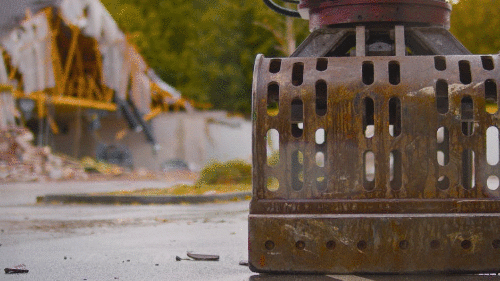
Pest inspections should happen before walls, floors, ceilings, and plant rooms are opened. An industrial demolition Melbourne project can disturb rodents, cockroaches, ants, spiders, birds, stored-product pests, termites, and nesting insects. Without inspection and treatment, pests can move into nearby buildings, food areas, drains, bins, and temporary site offices.
Demolition Changes Pest Behaviour Fast
Pests use buildings for food, water, warmth, shelter, and nesting. Demolition removes those resources suddenly. When noise, vibration, dust, light, and human movement increase, pests often move toward quieter adjoining spaces.
That movement matters for industrial sites. Warehouses, food storage areas, workshops, kitchens, bins, drains, loading docks, ceiling voids, and wall cavities can all support pest activity. If one building is disturbed, the neighbouring tenancy may inherit the problem.
Ausmic Pest Control WA readers know this risk from Perth commercial sites. The same principle applies in Melbourne: pest pressure does not respect a site boundary once habitat is disturbed.
Inspect Before Services And Linings Are Removed
A useful inspection happens before demolition hides or spreads evidence. Technicians should check roof voids, wall cavities, skirting lines, plant rooms, kitchens, amenities, drains, bins, loading docks, basements, storage rooms, and external vegetation.
Signs include droppings, gnaw marks, grease trails, rub marks, nesting material, live insects, shed skins, wings, mud leads, webbing, odour, damaged packaging, and bird fouling. These clues help decide whether treatment, exclusion, sanitation, or monitoring is needed before demolition starts.
The inspection should also identify pest attractants. Food residue, standing water, open drains, clutter, cardboard, old stock, grease traps, leaking pipes, and waste rooms can keep pests active even after tenants leave.
Reduce The Risk Of Pest Displacement
Pre-demolition pest control is not only about killing active pests. It is about reducing the chance that pests spread into adjoining properties. That means timing treatments before disturbance and removing food sources before the habitat is opened.
Rodent baiting, trapping, drain treatments, cockroach gel, residual insecticide, bird exclusion, nest removal, sanitation, and proofing may all be considered depending on the site. Treatment choice should match the pest, building type, safety risk, and demolition schedule.
Food premises and industrial kitchens deserve special care. Grease, drains, voids, and warm equipment spaces can support cockroach and rodent activity long after trading stops. These areas should be cleaned and treated before linings are stripped.
● Inspect adjoining tenancies when pest movement could affect shared walls or service paths.
● Remove food waste, cardboard, stagnant water, and old stock before demolition.
● Seal or monitor drains, service penetrations, and wall openings where practical.
● Schedule treatment early enough for pests to decline before heavy disturbance.
Coordinate Pest Control With Safety And Waste Planning
Pest control should be coordinated with demolition safety planning. Technicians need safe access, induction, lighting, and information about hazards such as asbestos, unstable floors, electrical risks, chemicals, confined spaces, and contaminated material.
Waste planning matters too. Open bins, food waste, damp cardboard, and uncovered rubbish can attract pests during demolition. Covered bins, regular collection, clean amenities, and swept loading areas reduce pest pressure while work is underway.
EPA Victoria's recent construction waste messaging warns that uncontrolled waste can leave sites and create wider impacts. Pest control adds another reason to keep waste contained, dry, and collected on schedule.
Document The Inspection For Handover
A pre-demolition pest report should identify evidence found, likely harbourage areas, treatment applied, limitations, follow-up dates, and recommendations for demolition crews. It should also note areas not accessed due to safety or locked rooms.
Photos are useful. Capture droppings, harbourage, damaged stock, nests, drains, wall openings, and waste rooms. These records support communication between the owner, pest controller, demolition contractor, builder, and neighbouring tenants.
If pests are active, the report should specify whether work can start, whether follow-up is needed, and what conditions must be maintained during demolition. That avoids confusion once the site becomes noisy and fast-moving.
Time Treatments Around The Demolition Schedule
Treatment timing matters. If baiting, trapping, or insect treatment starts too late, pests may still be active when demolition begins. If treatment starts too early and sanitation is poor, pests can return before the work starts.
The pest controller should know the demolition date, service isolation date, waste removal schedule, and expected building access. That information helps set treatment windows and follow-up inspections.
Rodent control often needs monitoring rather than a single visit. Cockroach activity may need targeted treatment in warm harbourage areas. Bird issues may require cleaning, exclusion, and safe removal of nesting material before roof or ceiling work.
Pay Extra Attention To Shared Walls And Food Areas
Shared walls create pest movement pathways. Rodents and cockroaches can move through service penetrations, ceiling voids, cable trays, wall cavities, drains, and pipe runs. A demolition crew may open these paths without realising it.
Food areas need stricter control. Old kitchens, cool rooms, grease traps, bin rooms, staff rooms, and food storage areas should be cleaned before demolition. Treatment should focus on harbourage and access points, not only visible pests.
Neighbouring businesses should be warned when pest displacement risk is high. A short notice helps them check doors, bins, stock rooms, and sanitation before the disturbance begins.
Keep Pest Control Safe During Demolition
Pest devices and chemicals must not create new site hazards. Bait stations should be placed where they will not be crushed by plants, buried in debris, or exposed to unauthorised people. Treatments should be recorded so workers know what is present.
Technicians should not enter unstable areas without permission from the site controller. Demolition can change access daily, so follow-up inspections need fresh induction and updated exclusion-zone information.
If asbestos, mould, chemical residues, or contaminated dust are present, pest work may need to wait until the area is made safe. Pest control supports demolition, but it should never bypass site safety controls.
Questions Owners Should Ask The Pest Inspector
Ask which pest groups were checked and which areas could not be accessed. A useful report names roof voids, wall cavities, drains, bin rooms, kitchens, plant rooms, basements, storage areas, and external harbourage.
Ask whether treatment is recommended before demolition, during demolition, or after clearance. Each timing has a different purpose. Pre-treatment reduces activity, monitoring detects movement, and post-clearance checks confirm the site is not carrying a problem into construction.
Ask what sanitation tasks need to happen before the demolition crew arrives. Removing food residue, cardboard, old stock, stagnant water, and waste can reduce pest pressure without relying only on chemicals.
Ask whether neighbouring properties need advice. If shared walls, drains, or ceiling voids connect the site to another tenancy, pest movement can become a neighbour issue within days of disturbance.
Conclusion
Pre-demolition pest inspections protect neighbours, workers, and future site users. They identify active pests, reduce displacement, guide treatment, and improve sanitation before the building is disturbed.
For Ausmic Pest Control WA readers, the key lesson is transferable across Australia: inspect and treat before the habitat is opened. Pest prevention is cheaper and cleaner than chasing displaced pests after demolition starts.
Quick Pre-Start Checklist
Before the first contractor arrives, the project owner should turn the article's advice into a short site checklist. The checklist does not need to be complex, but it should name the person responsible for each decision so nothing sits between trades.
Review the checklist during the site induction and again when the work changes stage. Demolition, clearing, machinery movement, waste handling, and pest control all create new risks as conditions change.
Keep one named site contact responsible for updates, because small discoveries can quickly affect access, timing, neighbours, waste handling, equipment choice, and final handover. Record every change before the next crew starts work.
● Confirm the exact work scope, exclusions, and required handover condition.
● Check permits, service isolation, access limits, neighbour impacts, and public protection.
● Mark retained structures, trees, services, drains, fences, and no-go zones before work started.
● Separate waste streams early and keep disposal, recycling, and treatment records together.
● Photograph key conditions before, during, and after work so decisions are traceable.
Frequently Asked Questions
Why inspect for pests before demolition?
Demolition can disturb pest harbourage and push rodents, insects, and birds into nearby buildings. Inspection helps identify activity, treat problems, and reduce spread before work starts.
Which pests are common before industrial demolition?
Common pests include rodents, cockroaches, ants, spiders, termites, birds, stored-product pests, and nesting insects, depending on the building and surrounding conditions.
What should a pre-demolition pest report include?
It should include evidence found, likely harbourage, access limitations, treatments applied, photos, follow-up requirements, and recommendations for demolition and waste crews.

Evelyn Hartfield
Evelyn Hartfield is the founder of Pest Control Perth Insights, a dedicated platform empowering the Perth community with practical, sustainable pest management solutions. With over a decade of hands-on experience, Evelyn combines extensive knowledge with a commitment to ecological balance, offering expert advice to help you tackle pest challenges effectively and responsibly.
Popular Posts
Pre-Demolition Pest Inspections: Why They're Required Before Any Melbourne Industrial Demolition
![]() Pest inspections should happen before walls, floors, ceilings, and plant rooms are opened. An indust
Pest inspections should happen before walls, floors, ceilings, and plant rooms are opened. An indust
 Pest inspections should happen before walls, floors, ceilings, and plant rooms are opened. An indust
Integrated Pest Management for Homes
![Benefits of Integrated Pest Management for Sustainable Homes in Perth]() As the world becomes increasingly aware of environmental issues, sustainable living practices are es
As the world becomes increasingly aware of environmental issues, sustainable living practices are es
 As the world becomes increasingly aware of environmental issues, sustainable living practices are es
Pest-Proof Your Perth Property
![Pest-Proofing Your Perth Property: A Step-by-Step Professional Guide]() As you protect your home from unwanted guests, consider the fact that pests can cause billions in da
As you protect your home from unwanted guests, consider the fact that pests can cause billions in da
 As you protect your home from unwanted guests, consider the fact that pests can cause billions in da
Selecting Eco-Friendly Pest Control
![How to Choose the Best Eco-Friendly Pest Control Services in Perth]() Curious about how your pest control choices can impact both your home and the environment? With eco-
Curious about how your pest control choices can impact both your home and the environment? With eco-
 Curious about how your pest control choices can impact both your home and the environment? With eco-
